Downsizers
Is a townhome a good downsizing choice in Oro Valley?
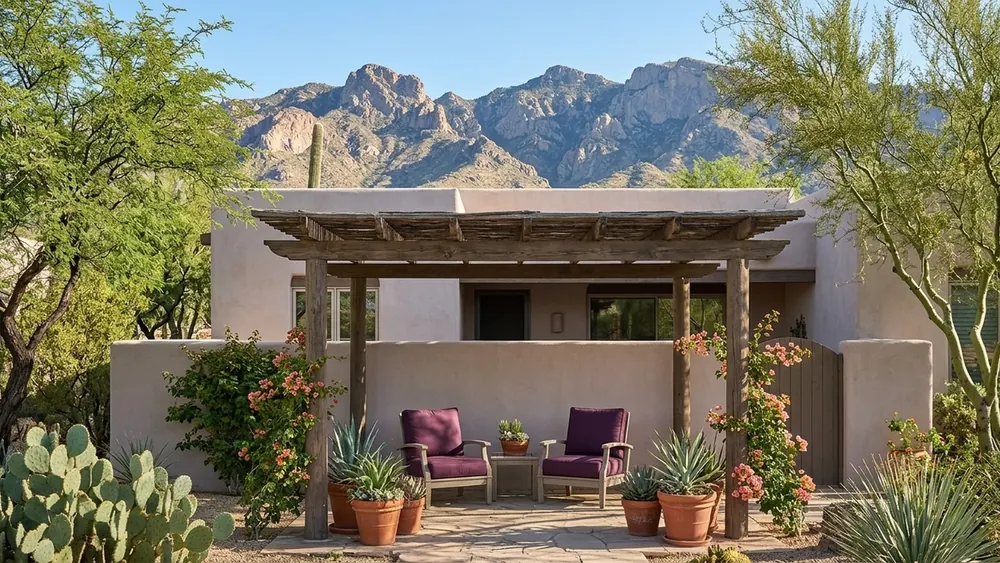
A townhome in Oro Valley can be a good downsizing choice if you want less exterior upkeep and are comfortable with shared walls and HOA rules. Read the association documents in full and compare it with a smaller single family home first.
On this page
- The short answer for downsizers weighing a townhome
- What a townhome changes about daily life
- Comparing a townhome with a smaller house
- Looking beyond Oro Valley in your search
- Questions to ask about any townhome association
- Sorting out who answers which question
- Selling your current home alongside the purchase
- Your next step toward a decision
The short answer for downsizers weighing a townhome
A townhome in Oro Valley can be a good downsizing choice if you want less exterior upkeep and you are comfortable with shared walls and the rules of a homeowners association. It can be the wrong choice if a private yard, full control over changes, or complete separation from neighbors matters more to you. The answer depends on how you want to live next, not on the townhome itself or on the community around it.
This matters because a townhome is a different way of owning a home, not just a smaller version of a house. Some responsibilities shift to the association, and some decisions become shared ones. Downsizers who understand that tradeoff before they buy tend to be happier with the result, because the home matches their expectations. Those who discover it after closing sometimes find the rules or the shared walls harder to live with than they expected.
This article walks through how to weigh a townhome for a downsize across Greater Tucson. It gives no HOA rule or fee specifics, because those vary by association and belong in each association’s own documents. It also offers no tax, estate or care advice. The aim is a clear set of questions so you can judge whether a townhome fits your next chapter.
What a townhome changes about daily life
The biggest change is usually upkeep. Depending on the association, some exterior maintenance, landscaping or shared areas may be handled collectively and paid for through association fees. For many downsizers that is the appeal: fewer outdoor chores and less to manage. But what is covered differs from one association to the next, so the only way to know is to read the documents and ask the association directly.
The other change is shared living. Townhomes usually share at least one wall with a neighbor, and the association sets rules that apply to everyone. Those rules can touch pets, parking, exterior changes and other everyday matters. None of that is good or bad on its own. What matters is whether the rules for a specific townhome fit the way you live, and whether you are comfortable with decisions being made together.
I always suggest reading the HOA documents before you fall in love with a townhome. The home is only half the picture; the rules are the other half.
Comparing a townhome with a smaller house
For most downsizers the real comparison is a townhome against a smaller single family home. A smaller house gives you more space and freedom, including control over your own yard and exterior. A townhome trades some of that for simpler maintenance and, in some associations, shared amenities. Choose a townhome if lower exterior upkeep matters more to you than a private yard and full control over changes.
Write down which of those tradeoffs you feel strongly about. If you enjoy gardening or want room to change the exterior as you like, a smaller house may suit you more. If you would rather hand off some outdoor work and keep life simpler, a townhome deserves a close look. Many people tour both before deciding, which helps turn an abstract choice into a concrete one.
It is also worth thinking about how the home will work for you over time. Consider how you move through the space each day, how much of the home you will actually use, and how easy it will be to care for. These are personal questions, and only you can weigh them. Reta can help you compare specific townhomes and houses side by side against your list.
Looking beyond Oro Valley in your search
Your search does not need to stop at a single community. Many downsizers also look at Tucson, Catalina Foothills, Marana or Green Valley, depending on the daily trips that matter to them. Rather than asking which community is right in general, test each one against your own list. Visit at the times you would actually drive there and notice how the routine feels.
Practical details such as services and utilities vary by address, so confirm them with the city or town, Pima County offices or current map sources for the specific home. Reta writes about townhomes and choosing where to move in communities such as Oro Valley and Green Valley, and can help you keep the comparison focused on what you have written down rather than on general impressions.
Questions to ask about any townhome association
Before you make an offer on a townhome, ask the association and read its documents. The CC&Rs, the budget and recent meeting minutes give you a picture of how the association runs and what it expects of owners. These are general areas to ask about. The specific answers will differ for every association, and they should come from the association itself in writing.
- What the association covers and what the fees pay for
- Which rules apply to pets, parking, rentals and exterior changes
- How fees have been set and how changes to them are decided
- What recent meeting minutes show about upcoming projects or concerns
Read the HOA documents in full and confirm fees and rules directly with the association. If anything in them is unclear, ask for an explanation before you commit, and take legal questions about the documents to an attorney. A townhome that fits on paper can still be the wrong choice if one rule conflicts with how you plan to live, so this step deserves time.
Sorting out who answers which question
A townhome decision for a downsize touches several areas, and each one has its own source. Keeping the questions organized by who answers them helps you avoid relying on guesses, and it keeps each conversation short and focused. The table below is a simple way to sort them before you start touring. Add any questions of your own as they come up.
| Question | Why it matters | Who to ask |
|---|---|---|
| What the HOA covers and charges | Shapes your real monthly costs and upkeep | The association and its documents |
| What condition the townhome is in | Avoids surprises after you buy | A licensed home inspector |
| How a purchase fits your budget | Sets a realistic range before touring | A licensed lender |
| How tax or estate plans are affected | Keeps the move aligned with your plans | A qualified tax or estate professional |
| How townhomes compare across communities | Keeps the search tied to your list | Reta, on the real estate side |
Once you have answers from each source, put them side by side. A townhome that looked appealing on a first visit may look different once you know the rules and the condition, and one you passed over may deserve a second look. Insurance questions belong with an insurance agent, and any repair questions belong with licensed contractors after the inspection.
Selling your current home alongside the purchase
Choosing a townhome is only part of a downsize. You will also need to decide whether to sell your current home first or buy the townhome first. Selling first gives you a clear budget, while buying first avoids a temporary move. Choose the order that fits your finances and comfort with timing, and talk through both options with a licensed lender before listing.
Sorting belongings early helps here too. Measure the furniture you want to keep so you can picture it in a townhome before you choose one, and let go of the rest gradually rather than in the final week. A townhome may have less storage than your current house, so knowing what is coming with you makes it easier to judge whether a particular floor plan will work.
Your next step toward a decision
Before a first conversation, write down what you want from your next home, how you feel about shared walls and association rules, and which communities you want to compare, whether that is one community or several across Greater Tucson. Add your questions for the association, a lender and any other professionals. None of it needs to be final. It simply gives you a clear place to begin.
When you are ready, bring those notes to Reta. A first conversation is a chance to talk through whether a townhome or a smaller house fits your plans, how the sale of your current home might be sequenced, and what to look for in the association documents. Basic questions are welcome, there is no pressure to decide quickly, and the pace stays yours.
This article is general information about buying and selling homes in Greater Tucson, Arizona. It is not legal, tax, estate, lending or inspection advice and does not predict prices or promise results. Confirm financing with a licensed lender, HOA fees and rules with the association, tax, estate and care questions with a qualified professional, and property condition with a licensed home inspector. Reta Oznick, Tierra Antigua Realty.

Written by