Townhome Living
What should you ask about an HOA before buying a townhome?
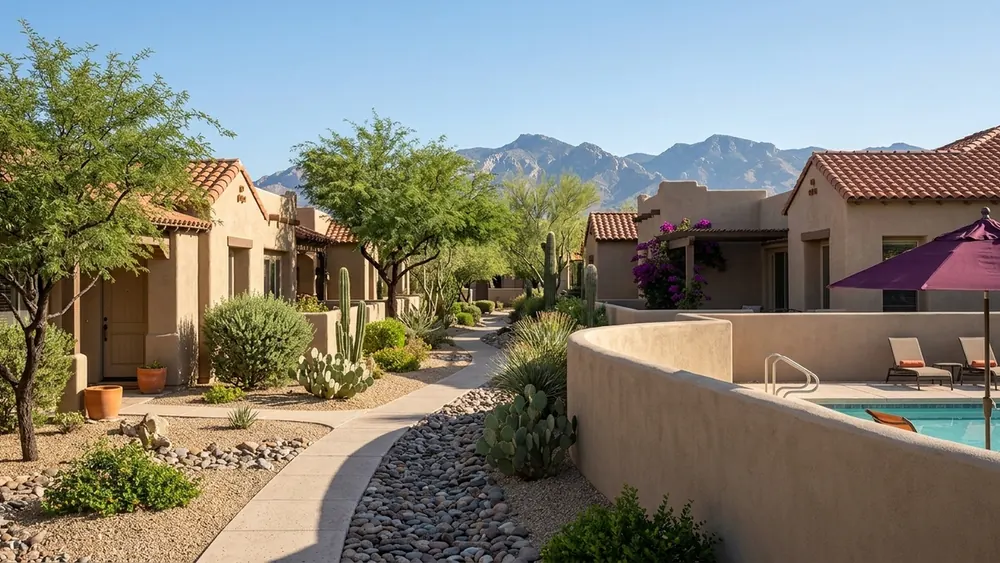
Before buying a townhome, ask what the HOA covers, what the fees pay for, which rules apply to pets, parking, rentals and changes, and how the association plans for repairs. Then confirm every answer in the association’s own documents.
On this page
The short answer on HOA questions
Before you buy a townhome anywhere in Greater Tucson, ask four things about the homeowners association: what it covers, what the fees pay for, which rules apply to how you would actually live, and how it plans for future repairs. Then read the documents that answer those questions in writing. The goal is not to find a perfect association. It is to know exactly what you are agreeing to before your offer is final. That clarity is worth far more than speed in any market.
This matters because a townhome is two purchases in one. You are buying the home itself, and you are joining an association that shares responsibility for the walls, roofs, grounds or common areas around it. The home can be exactly right while the association arrangement turns out to be a poor match for your routines, your pets or your plans. Asking early keeps those two decisions separate and clear, so neither one surprises you after closing.
None of this requires you to master association paperwork. It requires a short list of good questions, a willingness to read, and a clear sense of who answers what. The association answers questions about its own rules and fees. A licensed home inspector answers questions about the condition of the unit. Reta helps you compare the paperwork across townhomes you are considering and walks through the order in which to ask.
What the association actually covers
Start with the line between your responsibility and the association’s. In attached homes, that line is drawn differently from one community to the next, and the only reliable answer is the association’s own documents. Do not assume that a nearby townhome works the same way, even if it looks similar from the street. Write down what the documents say for each item below, and note anything that is unclear so you can ask the association directly.
- Which exterior parts, such as roofs, walls and paint, fall to the association
- Who maintains landscaping, walkways, parking areas and any shared amenities
- Which utilities or services, if any, are included in the regular fees
- What the association’s insurance covers and what your own policy must cover
The rules that shape daily life
Rules are where an HOA meets your routine. The CC&Rs and any separate rules or guidelines describe what owners may and may not do, and they can be more specific than people expect. Read them with your own habits in mind, not in the abstract. If you have a dog, a second car, a hobby that needs storage or a plan to update the patio someday, look for the rule that speaks to it. These are the areas buyers most often wish they had checked first:
- Parking rules for owners, guests, recreational vehicles and work vehicles
- Pet rules, including the number, type and size of animals allowed
- Rental and leasing rules, in case your plans for the home change later
- Approval steps for exterior changes, paint colors, patios, solar or landscaping
- Rules about noise, trash, storage and use of shared spaces
Reading the budget and meeting minutes
Fees are only half of the money question. The other half is how the association plans for the future. Ask for the current budget and any information on reserves, which is money set aside for larger repairs over time. You do not need to judge whether the numbers are right. You are looking for whether the association has a plan, and whether that plan is written down where owners can see it. A clear, documented plan makes future costs easier to anticipate, even when nobody can say exactly what they will be.
Meeting minutes are often the most revealing documents in the stack. They show what the board has been discussing, which repairs are coming up, whether owners have raised recurring concerns and how decisions get made. A few sets of minutes read in a row can tell you more about how an association runs than any summary. If minutes are not available, that is itself a question worth asking.
Ask the association directly whether any special assessments are planned or under discussion. A special assessment is a charge to owners beyond regular fees, usually for a major repair. Confirm the answer with the association in writing rather than relying on a listing description or a neighbor’s memory. If the documents raise tax or legal questions, take those to a qualified tax professional or an attorney rather than guessing.
Fees in context, not in isolation
It is natural to focus on the monthly fee, but a fee on its own tells you very little. A higher fee might cover exterior maintenance, insurance on the structure or amenities you would otherwise pay for separately. A lower fee might leave more of those costs with you. The useful question is not whether a fee seems high or low. It is what the fee buys, and what costs remain yours once you own the home. Two townhomes with similar fees can leave very different responsibilities with the owner.
Bring the fee into your overall budget conversation early. A licensed lender can explain how association fees factor into what you qualify for and what your monthly cost will look like. An insurance agent can explain what coverage you would need alongside the association’s policy. Once those answers are in hand, you can compare townhomes by total cost of ownership instead of by one line on a listing.
I always suggest reading the HOA documents before you fall for the floor plan. The rules and the budget will be part of your life every day you own the home.
Who answers each kind of question
Part of what makes HOA research feel overwhelming is not knowing where to send each question. A simple map helps. The homeowners association answers questions about its fees, rules, budget, reserves and any planned assessments. A licensed home inspector looks at the condition of the unit itself, and can tell you what to ask about shared components. A licensed lender answers how fees affect financing, and an insurance agent answers coverage.
Reta helps on the real estate side: gathering the documents in the right order, comparing what different associations cover across townhomes in Oro Valley, Marana, Green Valley or Tucson, and making sure your questions get asked before your decision is final. The point is not that anyone should interpret the rules for you. It is that each question lands with the person who can actually answer it, in writing, while you still have time to weigh the answer.
What to gather before your first conversation
Before you start touring townhomes, write down how you actually live. List your pets, your vehicles, the storage you need, any changes you would want to make to a patio or yard, and whether you might ever rent the home out. That list turns a stack of HOA documents into a set of yes or no questions, which is far easier to work through than reading every page without a purpose. It also makes it easy to spot a deal breaker early, before you have spent time and energy on a home that cannot work for you.
Next, decide what level of upkeep you want to hand off. Some buyers want the association to handle as much of the exterior as possible. Others would rather keep more control and accept more of the work. Neither is right or wrong. Knowing your preference before you compare associations keeps you from talking yourself into an arrangement that does not fit, just because the townhome itself looks right. Add a first budget conversation with a licensed lender, so association fees are part of the picture from the start.
If you are weighing a townhome somewhere in Greater Tucson and want help sorting out which HOA questions matter most for your situation, Reta is glad to talk it through. Bring your list, bring the questions you are unsure about, and expect a calm, practical conversation about what to ask, who to ask and what to read before you commit. Basic questions are welcome, and there is no pressure to decide anything in that first talk.
This article is general information about buying and selling homes in Greater Tucson, Arizona. It is not legal, tax, estate, lending or inspection advice and does not predict prices or promise results. Confirm financing with a licensed lender, HOA fees and rules with the association, tax, estate and care questions with a qualified professional, and property condition with a licensed home inspector. Reta Oznick, Tierra Antigua Realty.

Written by