First Time Buyers
Townhome or house for a first purchase?
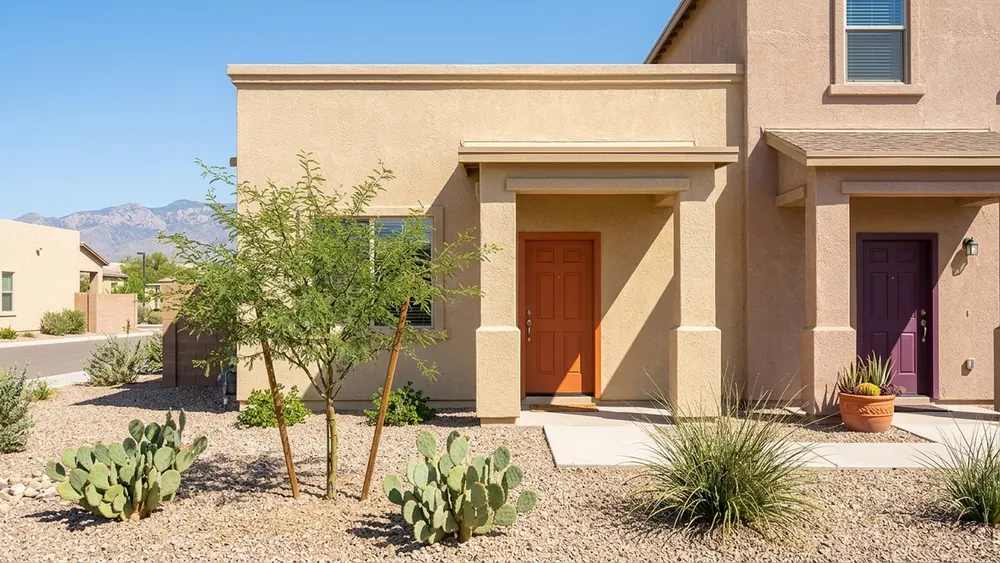
A townhome can suit a first purchase if you want less exterior upkeep and accept shared walls and HOA rules, while a house can suit you if you want more control and space. Your list decides, not a general rule.
On this page
The short answer depends on how you live
There is no single right answer to the townhome or house question for a first purchase. A townhome can suit you if you want less exterior upkeep and are comfortable with shared walls and the rules of a homeowners association. A detached house can suit you if you want more control over your property and are ready to handle its upkeep yourself. The better choice is the one that fits your daily life and your budget.
This question matters because it shapes nearly everything that follows: the homes you tour, the documents you read, the ongoing costs you plan for and the way you spend your weekends. Settling it early, or at least narrowing it, keeps your search focused. Many first time buyers in Greater Tucson keep both options open at the start and let their list decide.
That approach works well. You do not need to pick a side before you begin. What you need is a clear sense of what you value, so that when you compare a townhome and a house side by side, you can see which tradeoffs you are happy to accept and which ones you are not. Keeping an open mind at the start also widens the range of homes you will see.
What a townhome usually means in practice
A townhome is an attached home that shares one or more walls with its neighbors. Many townhomes are part of a homeowners association, which collects fees and sets rules for the community. What the association covers varies widely. In some communities it handles exterior maintenance or shared landscaping, and in others it covers much less. The only reliable answer comes from that association’s own documents.
For a first time buyer, the appeal is often simplicity. Less exterior work can mean more free time and fewer surprise projects. The tradeoffs are shared walls, rules about changes you can make, and fees that pay for shared costs. None of these is good or bad on its own. Each one simply needs to fit how you want to live. Some first time buyers find that a townhome lets them buy sooner in a community they want, while others prefer to wait for a house. Both paths are reasonable, and your list is what tells them apart.
Before you make an offer on any townhome, ask what the association covers, what the fees pay for and what rules apply to pets, parking and changes to the home. Read the CC&Rs, the budget and recent meeting minutes, and confirm fees and rules directly with the association. Your agent can walk you through where to find each document and what questions to bring to it.
What owning a detached house asks of you
A detached house stands on its own lot, and with that independence comes responsibility. The roof, exterior, yard and systems are generally yours to maintain. Some houses are also part of a homeowners association, so it is worth checking each one rather than assuming. Where there is no association, there are no association fees, but there are also no shared resources for exterior upkeep. Ask about it early.
Many first time buyers value the control a house offers: room to garden, space for projects and fewer limits on how the property is used. The question to ask yourself is whether you have the time, interest and budget to keep up with that work. A licensed home inspector can help you understand the condition of a specific house, and licensed contractors can explain what a repair might involve.
Neither choice is automatically simpler or more economical. A house without association fees may still carry upkeep costs you need to plan for, and a townhome with fees may still leave some maintenance to you. The fair comparison is home against home, using real documents and real answers, not a general assumption about either type. Ask for specifics on each home you consider.
Questions that help you weigh the two
When you are undecided, a few honest questions usually point the way. Write your answers down, because seeing them on paper makes the tradeoffs clearer. These questions are a good starting point. There are no wrong answers here. The goal is simply to see which tradeoffs you are willing to make and which ones would wear on you after a year or two in the home. Be as honest as you can, even about small preferences.
- How much time you want to spend on yard work and exterior upkeep
- Whether shared walls would bother you or barely register day to day
- How you feel about following association rules on changes and parking
- Whether more private outdoor space matters more than lower upkeep
If most of your answers lean toward less upkeep and you are comfortable with rules, a townhome may be worth a close look. If they lean toward control and space, a house may fit better. If your answers are mixed, keep both on your list and compare specific homes as you tour. Your answers can change once you see real options, and that is perfectly normal.
Comparing the two side by side
A simple table can help you organize the comparison. It does not tell you which to choose. It shows where each question gets answered, so you know whom to ask before you decide. Fill it in for each home you are seriously considering, and the differences between a townhome and a house will start to look much more concrete and much less abstract.
| Question | Why it matters | Who to ask |
|---|---|---|
| What will exterior upkeep involve? | It shapes your time and your ongoing costs | The association documents or a licensed home inspector |
| What do the association fees cover? | Fees and coverage vary from community to community | The homeowners association and its budget |
| What rules apply to changes and pets? | Rules can limit how you use the home | The CC&Rs and the association directly |
| What price range fits my budget? | It keeps every comparison realistic | A licensed lender |
| What will insurance look like for this home? | Coverage needs can differ between attached and detached homes | An insurance agent |
Reta can help you compare specific townhomes and houses against your list, explain the purchase paperwork and point you to the right source for each question. The lender, the association, the inspector and the insurance agent each confirm the details only they can answer for a specific home. Keeping those roles clear means you get accurate answers rather than general guesses, and it keeps each decision grounded in the home you are actually looking at.
How location fits into the choice
Both townhomes and houses appear across Greater Tucson, from Tucson itself to places such as Marana and Oro Valley. Rather than assuming one type belongs in one place, start with your list and see what each community offers. A broader search area can sometimes reveal options you would not have found by looking in only one community. Keep your list in front of you as you look.
As always, visit at the times you would actually drive your daily routes, and confirm schools, services and commute details by address with official sources. The home type and the location work together. A townhome in a community that fits your routine can be a better choice than a house that does not, and the reverse is also true. Weigh the two together.
Your next step toward a decision
Before a first conversation about this choice, gather a few things that will make the discussion more useful. These items give the conversation a clear starting point. You do not need every answer before you start. Bring what you have, and the conversation can fill in the gaps, one question at a time and without any pressure to decide on the spot.
- Notes from a licensed lender about the price range that fits you
- Your written answers to the upkeep, walls, rules and space questions
- A short list of communities you are curious about and why
- Any townhome or house you have already seen and what stood out
Choosing between a townhome and a house is a very personal part of a first purchase, and it is fine to take your time with it. If you would like to talk through which type fits your plans, Reta is glad to walk through the tradeoffs with you, explain the documents involved and help you compare real options calmly.
This article is general information about buying and selling homes in Greater Tucson, Arizona. It is not legal, tax, estate, lending or inspection advice and does not predict prices or promise results. Confirm financing with a licensed lender, HOA fees and rules with the association, tax, estate and care questions with a qualified professional, and property condition with a licensed home inspector. Reta Oznick, Tierra Antigua Realty.

Written by